.⋆。⋆༶⋆˙⊹
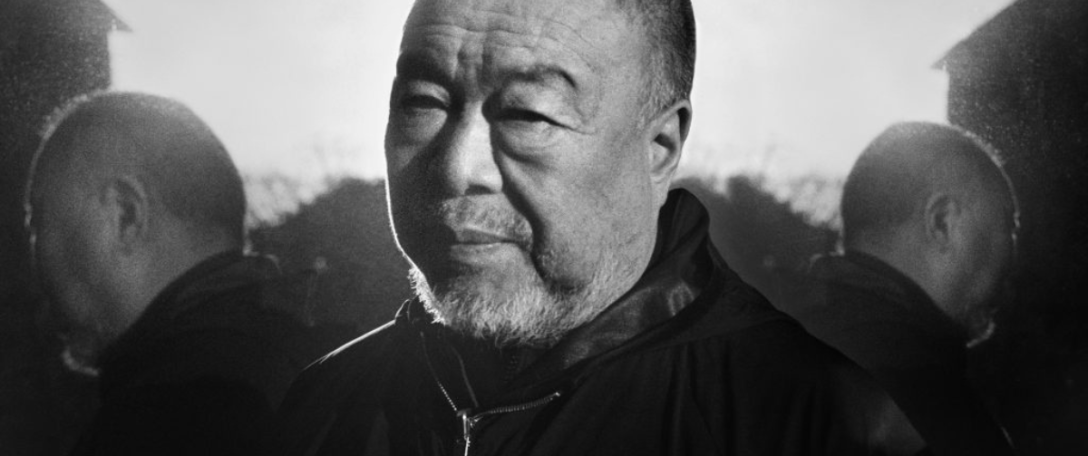
Ai Weiwei is a renowned Chinese contemporary artist and activist. Celebrated internationally, his work encompasses disciplines from sculptural installations, to architectural projects, to photographs and videos. Ai’s art often addresses the corruption of the Chinese communist government and its neglection of human rights; as such, his work is provocative, subversive, and politically outspoken. In fact, Ai was arrested by the Chinese authorities without explanation and was held for 81 days in prison.
Ai also works with reclaimed materials (ancient pottery from destroyed temples, for example) to connect tradition with contemporary social concerns. One of Ai’s most famous pieces is called Dropping a Han Dynasty Urn (1995), which consists of three photographs showing Ai dropping a 2000-year-old urn.

As stated by Ai, “Chairman Mao used to tell us that we can only build a new world if we destroy the old one.” Thus, Dropping a Han Dynasty Urn not only symbolizes defiance against the values of the Chinese communist government, but it also symbolizes imparting new values in its place. Juxtaposition is another major theme in Ai’s work. In Dropping a Han Dynasty Urn, we can see the clash between tradition & progressiveness and destruction & preservation.
When you constrain freedom, freedom will take flight and land on a windowsill.
– Ai Weiwei
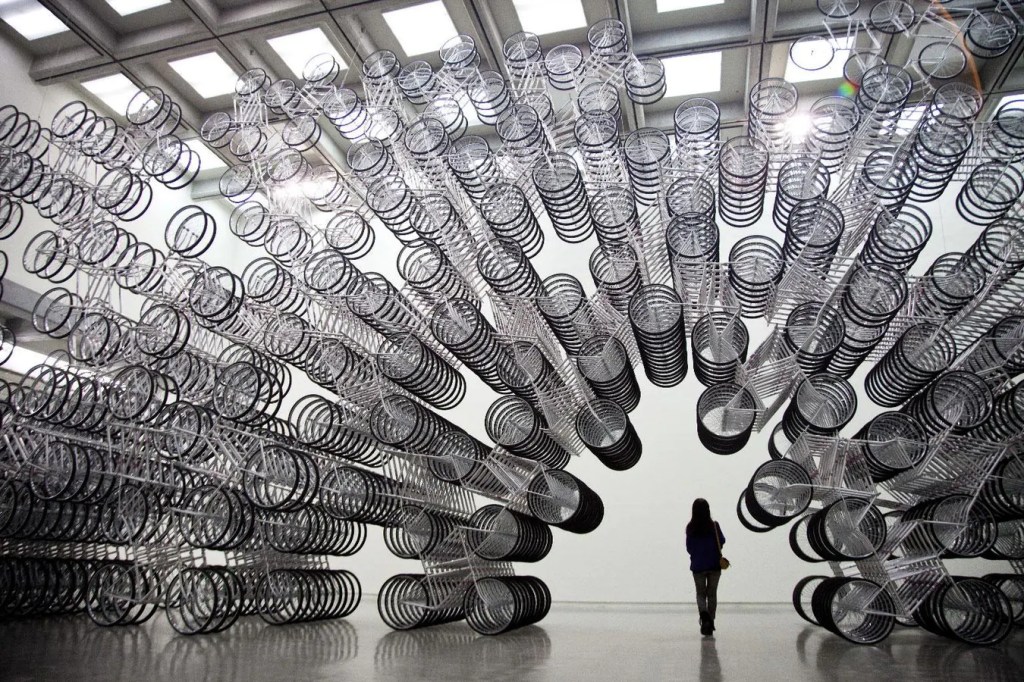
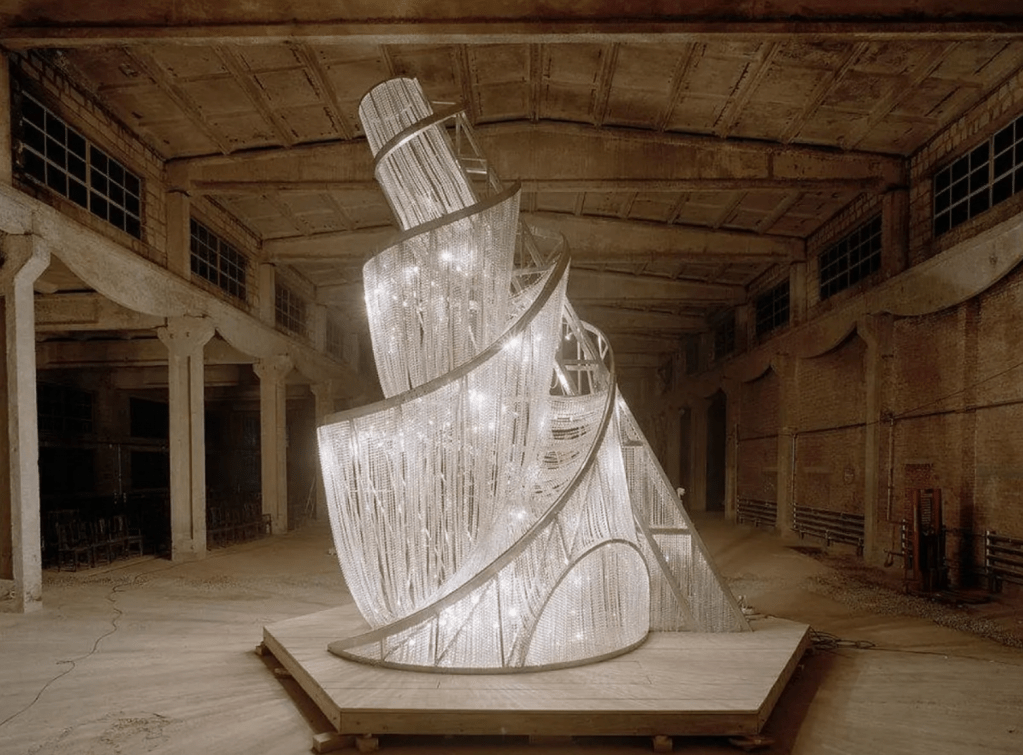
Forever Bicycles (2013) and Fountain of Light (2013)
Early Life
Ai’s father, Ai Qing, is a renowned Chinese poet. When Ai was young, his father was accused by communist officials of being a rightist. His family was exiled to the far northwest of China, where they lived under harsh conditions. Ai attended the Beijing Film Academy in 1978 and moved to the United States in 1981. He was a student at the Parsons School of Design in New York City before dropping out of school. In NYC, Ai gained exposure to artists such as Marcel Duchamp and Andy Warhol, which is when he starting experimenting with readymade objects and conceptual art.
Sunflower Seeds
Sunflower Seeds (2010) is one of Ai’s most famous pieces (and my personal favorite!). It features over 100 million works of hyper-realistic sunflower seeds. Though the seeds are seemingly identical, each one is unique and specially hand-crafted in porcelain. The seeds were individually sculpted and painted by artisans in Jingdezhen: China’s porcelain capital.
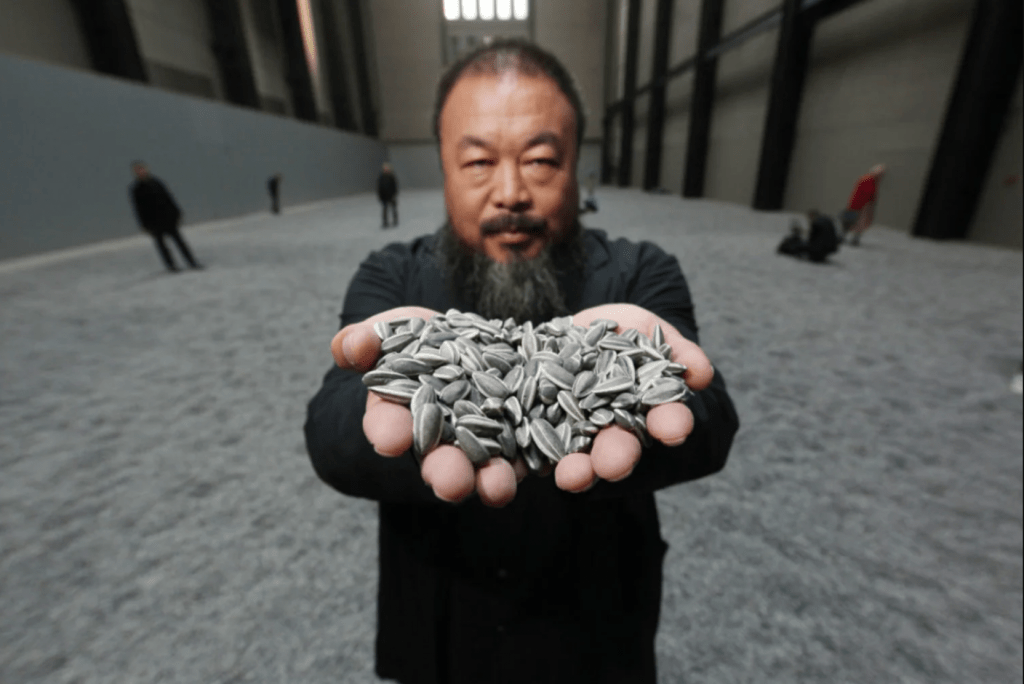
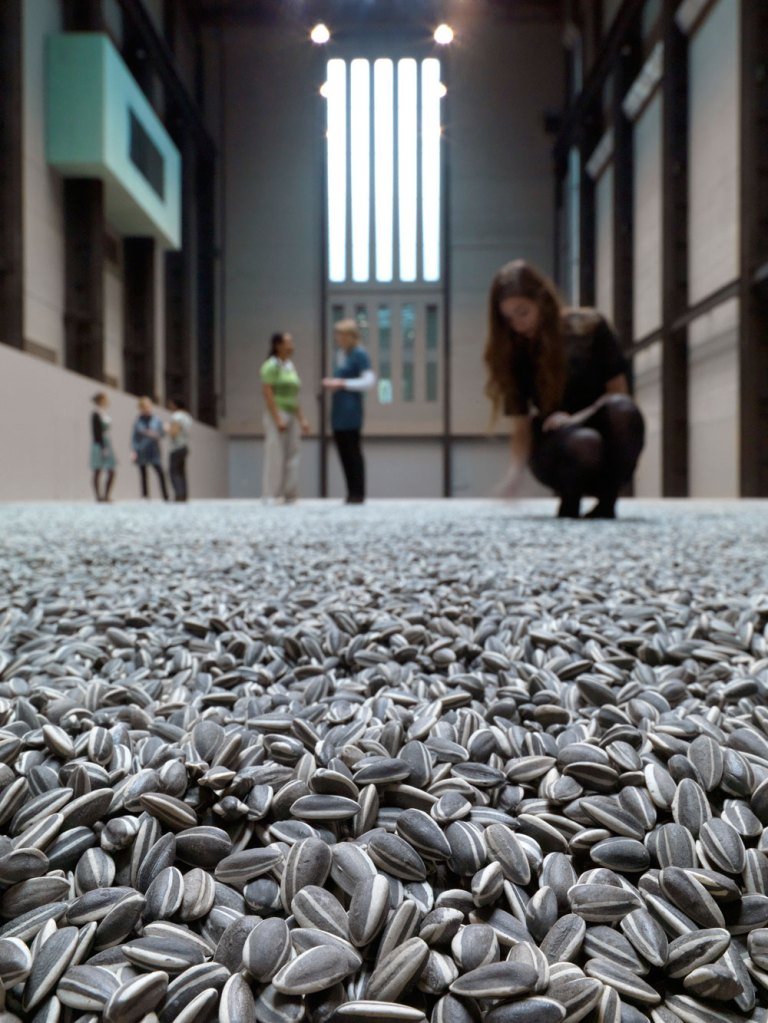
Sunflower Seeds (2010)
Ai Weiwei’s Sunflower Seeds subverts popular imagery of Chinese communist propaganda. Leader Mao Zedong is often depicted as the sun, and his citizens are depicted as sunflowers, unwaveringly loyal to their ruler. Sunflower Seeds symbolizes the loss of individuality within the masses. However, we can also view the sunflower seed as a symbol of camaraderie when faced with adversity.
Follow Ai Weiwei on Instagram!
 THE ORCHID