
.⋆。⋆༶⋆˙⊹
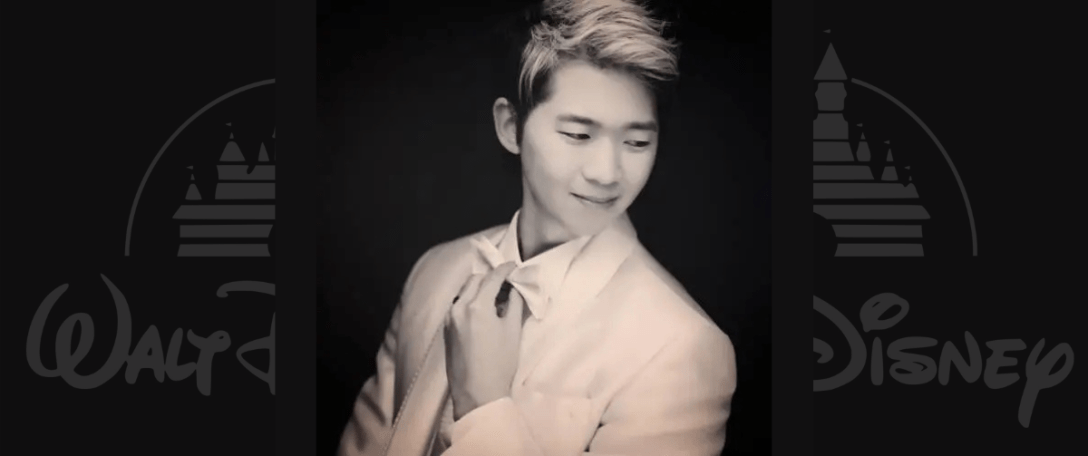
First off, could you give us a background story before you joined the animation industry?
My parents are Korean, but I was actually raised in Europe because my father was a diplomat for the Korean embassy. I lived in London and Russia since I was 5 years old, living in Korea in-between, so a lot of my middle and high school years were spent at international schools. Because I grew up in these international environments, I was subjected to a lot of Hollywood films, giving me the taste for acting that ultimately helped me become an animator. Animating is a little bit like acting, only through characters.
But I’ve always loved films growing up. Films are actually how I learned English, or any languages for that matter.
So after I graduated high school from Russia, I knew I wanted to get into film and animation. That’s when I moved to the U.S. and attended an art college called Ringling College of Art and Design. It’s in Sarasota Florida, and it’s pretty great for learning computer animation as well as normal animation. From there, I got scouted straight away to Dreamworks where I started my career.
It was a lot of fun! They put me right into production on Kung Fu Panda, where I was doing background characters at the time. Then I got to work on characters like Shrek—he was the big character for us because Dreamworks had just won an Oscar for the first movie. So I was there for about 5-6 years working on movies like Madagascar 2, How to Train Your Dragon, and Megamind.
After Megamind I actually went to Korea for a little bit to do my military service (it’s mandatory for Koreans). While I was doing that, I wanted to spend time with my family as well because I lived abroad for so long.
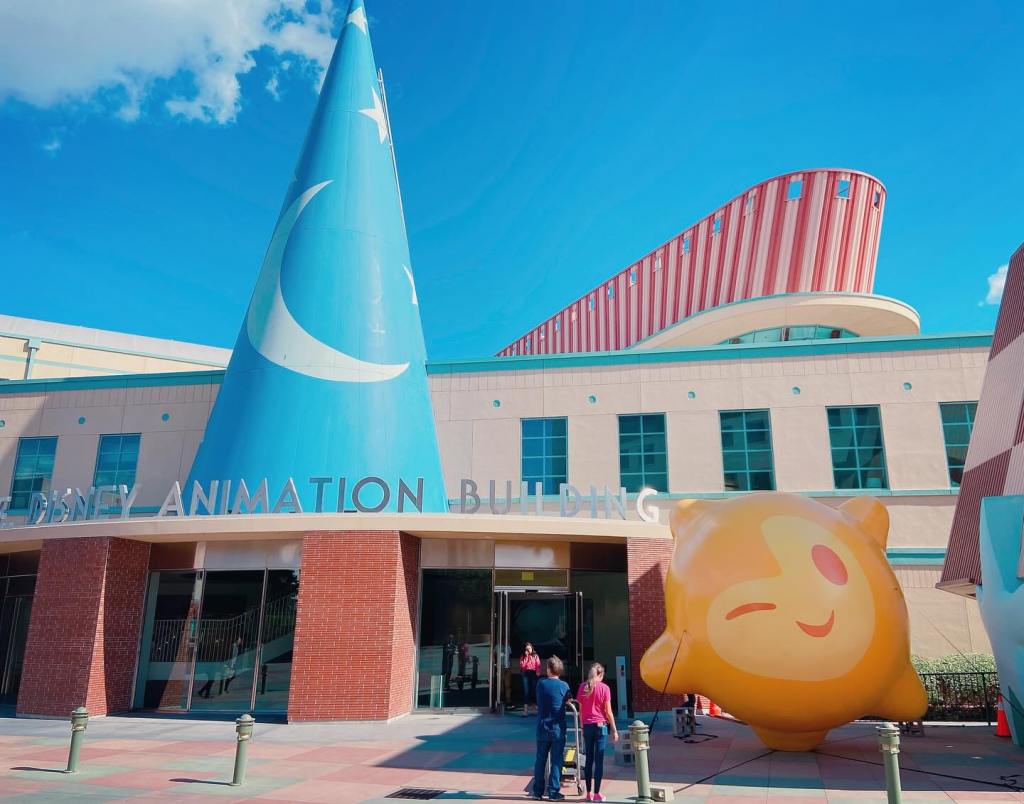
Afterwards, when I was ready to work again, I ended up going to Disney. My first movie as a Disney animator was Frozen 1, and I’ve been at Disney ever since. So any movie that has come out since Frozen, I’ve had a chance to work on. I’m going on my 11th year at Disney right now…so I’ve been there for a while!
As a Disney animator, what does your day-to-day routine look like?
What my day-to-day routine looks like…it’s a lot of listening to dialogue over and over again. After we get the voice actor’s dialogue and our editorial team sections it out with storyboards, we do all the acting with the characters. We’ll talk to the directors about what this scene is about, what kind of emotional state the character is in, etc.
And the movie making process isn’t from A to Z. Your first sequence could be V and your next sequence could be B, so you’re jumping around all over the place. It’s our job as animators to talk to the directors in order to figure out what state of mind the characters are in and where in the story it takes place.
What also happens a lot—that a lot of people don’t know—is up until the very last minute, we’re making story changes left and right. And with story changes, a character’s arc may change, so their acting may have to change a bit too. In our process of filmmaking, we’ll try to nail down the sequences which aren’t going to go through too many changes.
So our day-to-day routine is basically trying to get into the mind of the character and the director. Through this, we’ll figure out what kind of acting works best for a particular scene.
What is the animating process like?
We work from Monday to Friday, 10-12 hours a day, and per week we end up with about 3-5 seconds of animation. We’ll listen to that same piece of dialogue and lip sync over and over again, trying to figure out what this scene is about and how to enunciate this piece of acting.
But we don’t always get it right straight away. That’s why we have a certain process of showing the scene to the director first, asking questions like “am I going in the right direction?” or “is this what you’re looking for?”. Sometimes they’ll say “no, this is completely not what I was thinking”, but most of the time they’ll say “you’re close, but let’s make some changes here”. Maybe they’d want her posture to be a little lower, or maybe they’d want her to seem more optimistic. So we’ll take those notes and try to iron that scene out to make it look perfect, just like you guys see on screen.
Out of all the films you’ve worked on, which ones are you the most proud of?
I would have to say the Frozen movies I’m definitely proud of. It was one of my first movies as a Disney animator, and it’s a movie that really made a mark on people’s hearts. It’s become this iconic piece of animation that generations will come to appreciate, much like how I appreciate all the classic Disney films. It touched a lot of young minds and perhaps even inspired them to become an animator like myself.
I’m definitely proud of Moana as well. It was one of the films that we really culturally dove deep into. Mulan is actually one of my favorite Disney films; I’ve always loved how they embraced the culture and celebrated it. I felt like we did that with Moana as well—plus, watching The Rock deliver lines was just awesome. It was also the first time gig of Auliʻi Cravalho, the voice actress of Moana, and her enthusiastic energy was really contagious to us. She actually came to the studio quite a bit just to hang out, meet us, or talk about her mindset. Overall, it was a very special movie to my heart.
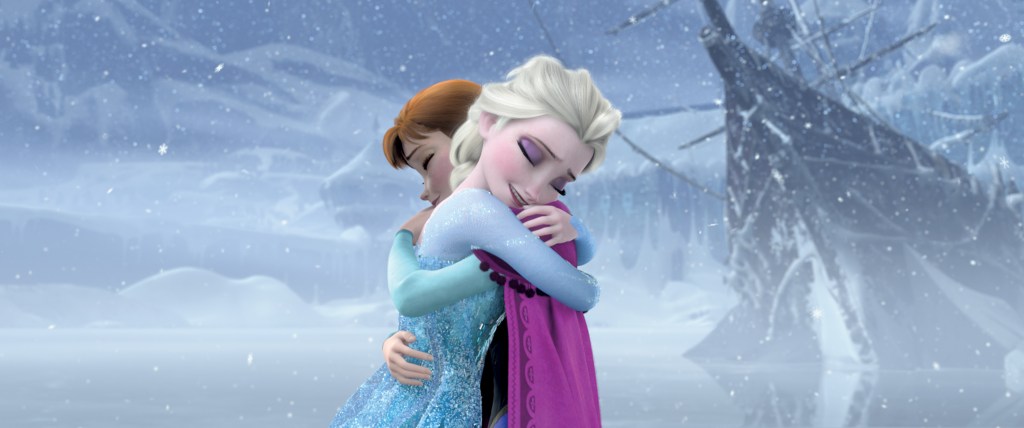
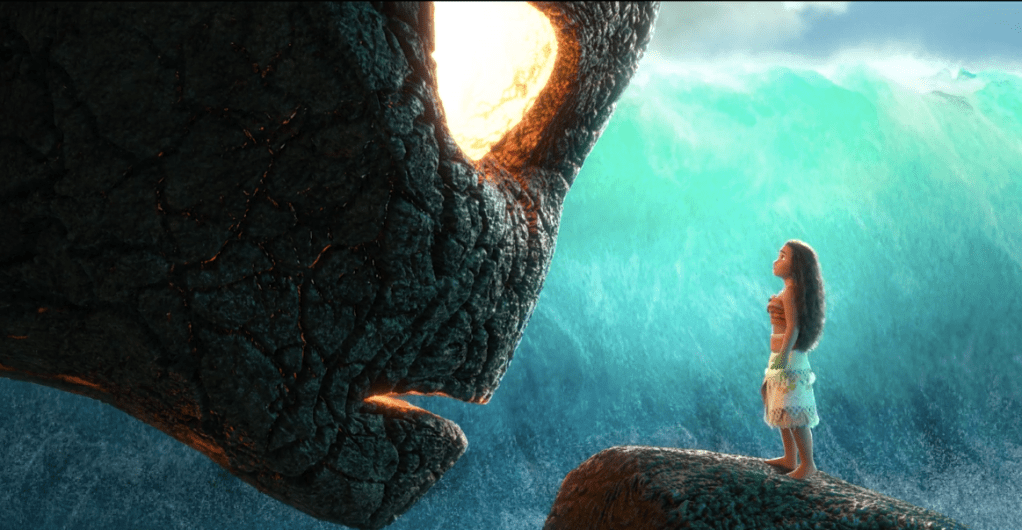
Frozen (2013) and Moana (2016)
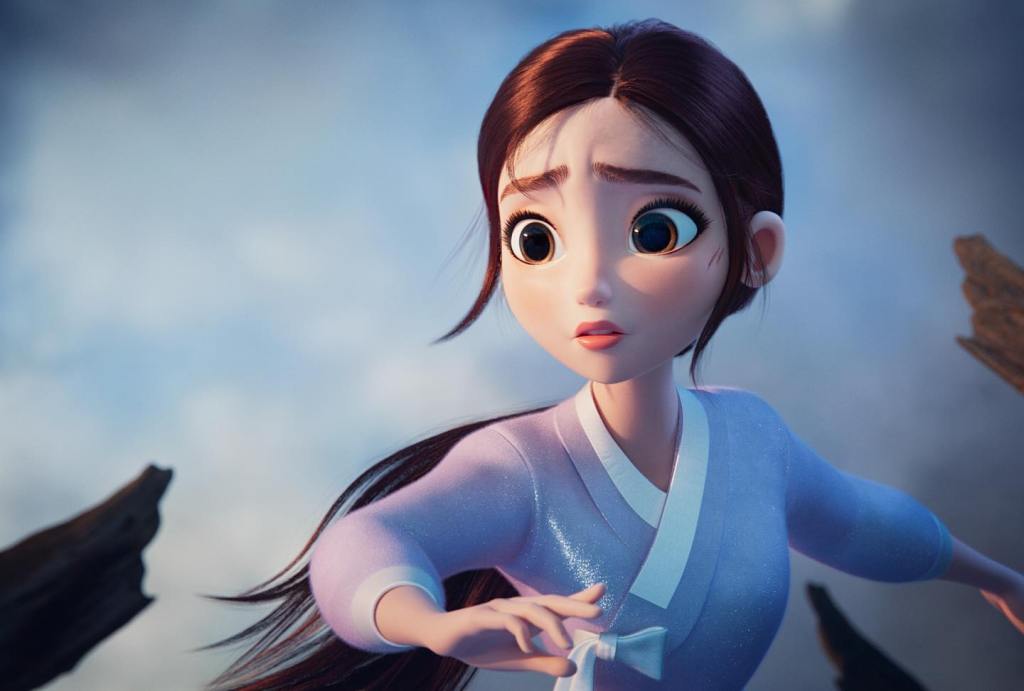
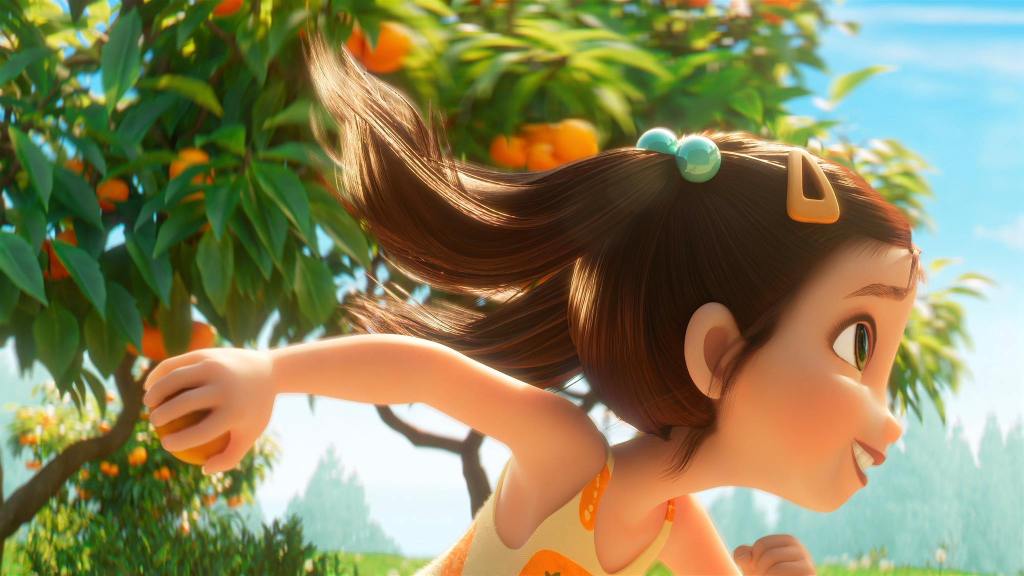
You’ve been directing an animated short called A Jeju Story. Can you tell us more about that?
It’s kind of a nod to my own culture. The animated film is based on Jeju 4.3—the start of the division between South and North Korea. During the Cold War, Korea had this ideological conflict: America influenced the south, while Russia and China influenced the north with communism. At the time, Korea had just gotten out of Japanese rule, so the whole country was pretty scorched from war and famine without a proper government in place. So, communism seemed pretty ideal for people—the idea of sharing wealth when you have nothing. For a lot of poor people, it’s something they wanted to embrace.
Because of these two ideologies clashing, it caused a civil war and a massacre of a government in place, wanting to physically drive communism away. A lot of innocent people got killed in the process. Actually, about 15% of the whole island in Jeju ended up getting killed, just because of some ideological differences. A lot of those people were falsely accused. Just standing on the wrong side of the road, they would get shot. It’s something that the Korean government tried to hide from history books, because it’s not something they’re really proud of. I believe it was 2018 when the government officially apologized to the survivors and to the Korean people.
It was poor, hastily made decisions all around that led to this violence. And I wanted to make a short film about it because it’s something that I didn’t really know about until my partner, who with her great grandfather’s story, told me about it, and I thought it was something that needed to be heard. There’s a lot of conflicts going around in the world, where people are killing each other for just small differences. I felt like it could be told in a very striking way and serve as a reminder that the land we stand on has this rich but also conflicting, dark history underneath us.
I want to focus on a very human, kind of humanitarian aspect of storytelling. And what better medium to do it than an animated film?
Finally, what advice would you give to any aspiring animators?
That’s a tough one. I would encourage them to really make sure they love the craft, because during my college years, we had a huge dropout rate for animation. A lot of people think that animating is very easy; they think that we just put on a puppet suit, act it out, and voila! It’s shown on TV.
But that’s not the case at all. For an entire week to two weeks, we end up with about three to five seconds of animation. That’s how much you have to dive into placing these characters, so you gotta really love it. If you don’t it becomes a really difficult job for you.
I think it’s also very important that you want to dive into these characters’ heads, and really do the acting with these characters. Animation isn’t all about drawing. It’s about learning how to act, how to improvise, studying filmmaking, and studying people’s psychology as well. That’ll make you a really talented animator in the long run.
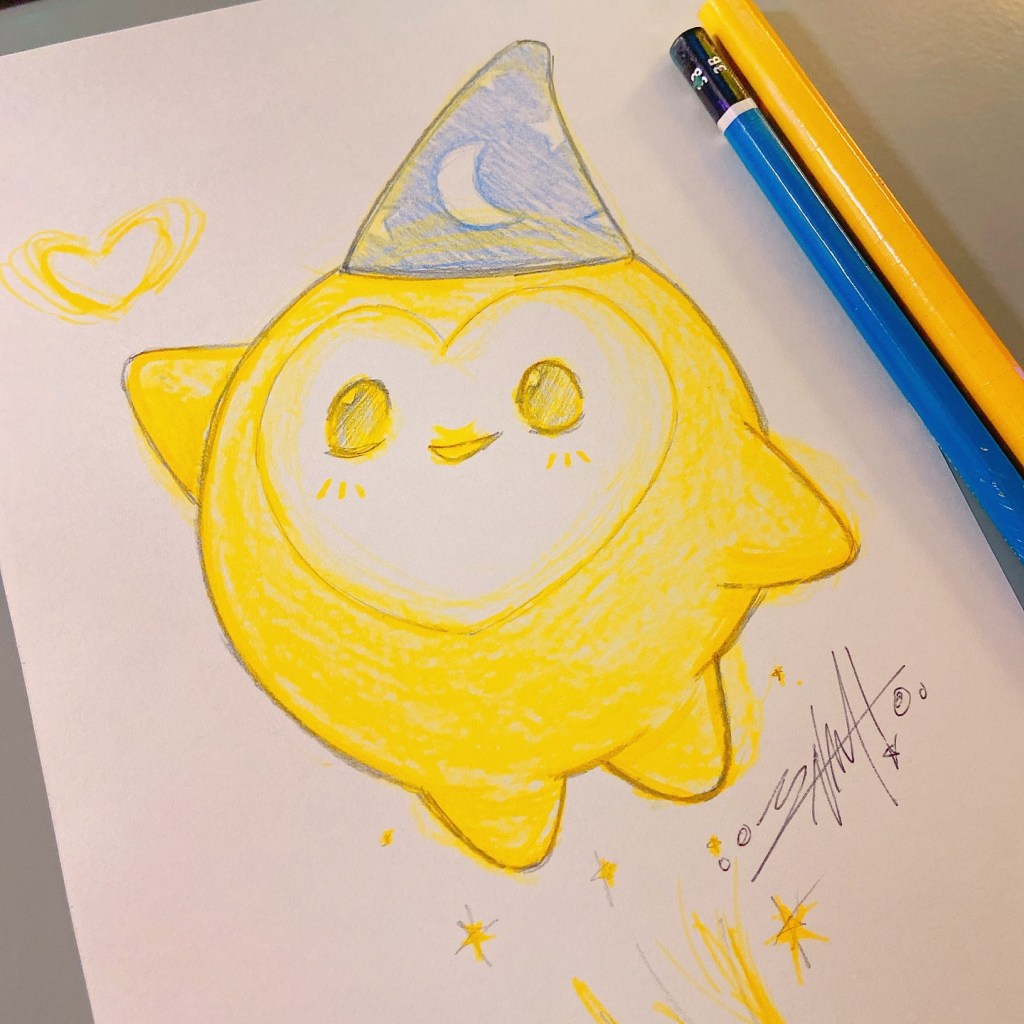
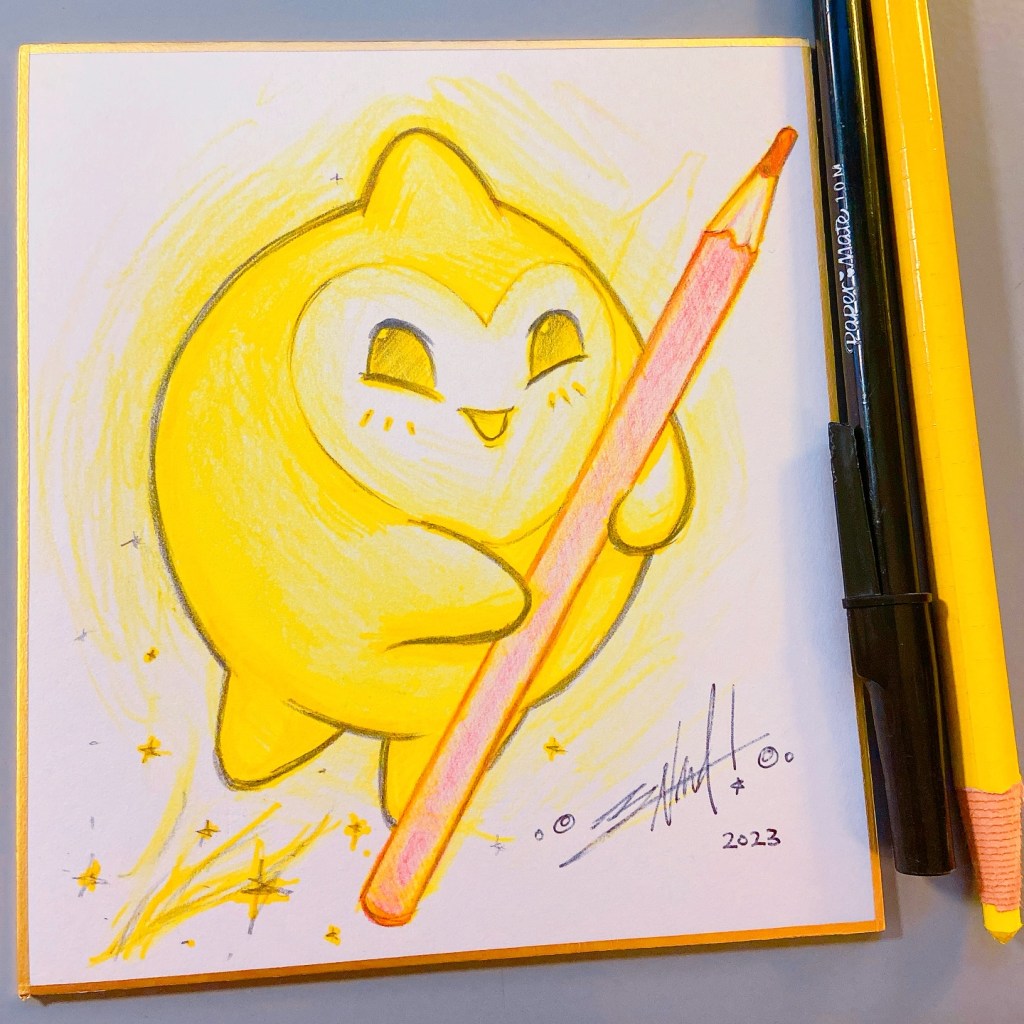
Nara’s drawings of Star from the Disney film Wish
- Follow Nara on Instagram
- Learn more about A Jeju Story
 THE ORCHID
This is marvelous! Thank you so much for sharing your story
LikeLiked by 1 person
Of course! Glad you enjoyed the read.
LikeLike