
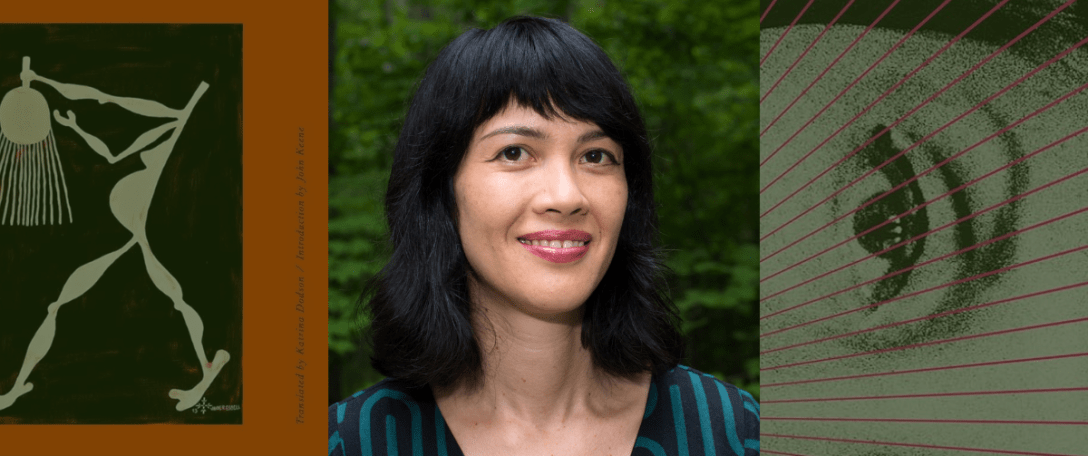
.⋆。⋆༶⋆˙⊹ This is Part 2 of our interview with Katrina Dodson: an acclaimed writer and translator from the Portuguese (fun fact: she’s also my aunt!).
Her translation of The Complete Stories, by Clarice Lispector, was named a New York Times Notable Book and won the 2016 PEN Translation Prize, the American Translators Association Lewis Galantière Award, and more. Her new translation of the 1928 Brazilian modernist classic, Macunaíma: The Hero with No Character, by Mário de Andrade, was published in April 2023 by New Directions and Fitzcarraldo (UK).
Dodson holds a PhD in Comparative Literature from the University of California, Berkeley and is an affiliated scholar of the Brazil LAB at Princeton University. A San Francisco native, she now lives in Brooklyn and teaches translation in the MFA in Writing program at Columbia University.
· • —– ٠ ✤ ٠ —– • ·
Alexa Jeong: Can you tell me more about your most recent work, Mário de Andrade’s Macunaíma?
Katrina Dodson: So this was a translation that took me almost six years to complete, and that is not the normal process for a translation, but I took a long time because it’s one of the most important books of Brazilian literature. It’s very influential, it’s very famous, and it was a modernist novel of sorts, published in 1928 by Mário de Andrade, who was a modernist poet, fiction writer, folklorist, and an art critic—so he was somebody who was just soaking up art and culture from all sides. He was also a piano teacher: a professor at the conservatory of music in São Paulo. So a really interesting person, very influential in his time.
And he wrote this book that has really become a symbol of Brazil and Brazilian identity, but in a paradoxical way, because the subtitle of the book is “the hero with no character”.
This book kind of captures the spirit of Brazil as a mixed race country, where it has this European side of colonialism from Portugal, and then these different waves of immigration from Europe, but it’s mixed with the African influence as well. Brazil was a major slave holding country; they were the last country in the Western Hemisphere to abolish slavery—not until 1888—so there’s a significant population with African heritage. And then, of course, you have the indigenous population. There’s also a significant Japanese population and now Korean population in Brazil. So it’s really like the United States; it’s a melting pot of different cultures and races and identities.
And the book is based on this indigenous mythical hero, Macunaíma, who comes from the Pemon people in the north of Brazil and the Amazon. Mário de Andrade took this figure and turned him into another kind of mythical figure who is black and indigenous…and there are all these different stories, all this folklore and myth. At one point in the novel, Macunaíma transforms after bathing himself in this Catholic, kind of baptismal Catholic water, and he turns white—blonde and blue eyed. And so he’s a shapeshifter, and he embodies these, what they call the three races of Brazil.
The whole book is very ironic. It’s meant to be provocative. This character starts off in the Amazon, goes all over Brazil, and finally goes down to São Paulo—the big city—in search of this lost amulet. Along the way, he and his two brothers meet all different kinds of characters. They meet talking animals, they meet people from Brazilian history, and so the novel is really this mix of Brazilian history and folklore.
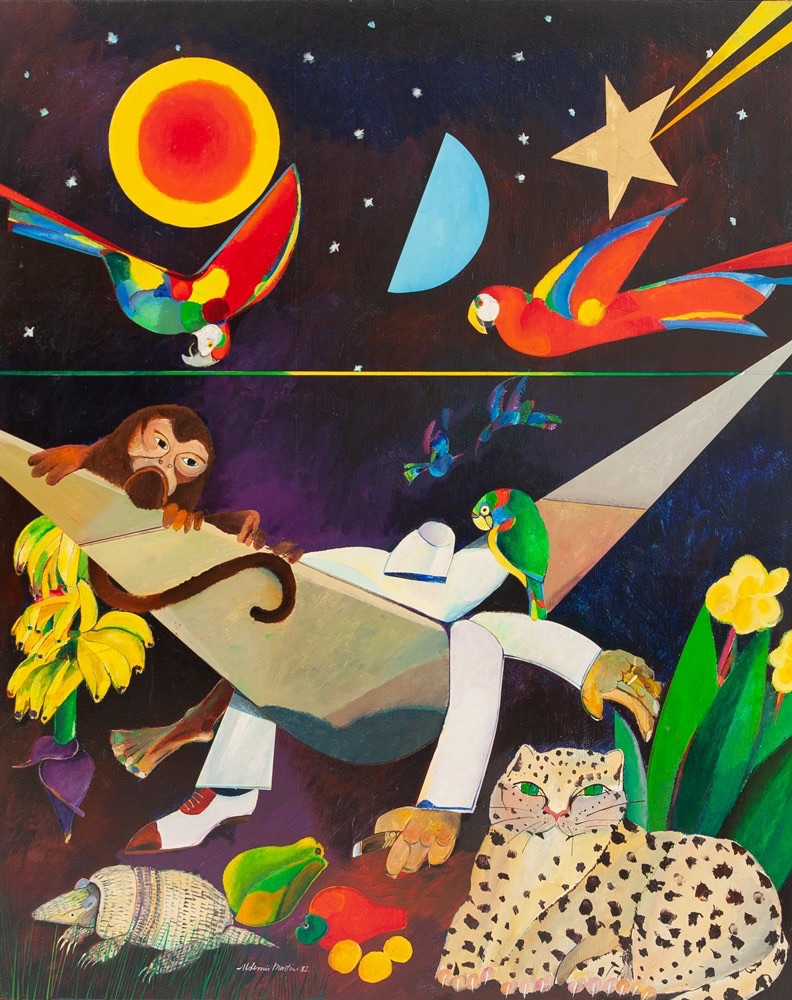
Aldemir Martins “Macunaíma”,
1982 (Illustration)
The language is really incredible. Mário de Andrade was a poet and a musician, so the language of the book is very musical. He mixes kind of regional Brazilian Portuguese, with colloquial Brazilian Portuguese, with indigenous languages and African words…but he really emphasizes how many of these words are used in Brazil.
For example, someone in São Paulo would have a hard time understanding all the names for plants and animals that come from the major indigenous language, whereas someone who lived in Amazon would probably know many more of these words. It’s a really interesting, musical language, but it’s also quite difficult for Brazilians to read.
So it’s actually a very important book, but a lot of Brazilians haven’t read it, or haven’t finished it, like they had to read it in school. And then there’s a very famous movie from 1969, so everyone’s seen the movie. But anyway, it’s just a complicated book. It took a lot of research to track down.
AJ: I can’t even imagine… (laughs)
KD: (laughs) I can’t either anymore—I feel like I blocked it out.
I think what happened is that I committed to the book, I didn’t realize it would be so difficult to translate, but once I was already deep into it, there was no turning back. And I already had a very particular way that I wanted to translate it, and I wanted to include notes and some explanations of the sources for the book that were anthropological and botanical, and so I wanted people to get a sense of the richness of Mário de Andrade research—even though he wrote it as a kind of fun book and would say “Don’t study this, this isn’t a work of anthropology; it’s a work of fiction, it’s a work of art”.
And he wrote it in this six day delirium out in the countryside, in a hammock, chain smoking, with all the banana trees… but he also brought all of his research books and he spent another year editing it. So
I just really wanted there to be a good translation of this book available to the American public, to readers in English, and I know people had been teaching it in schools, and different people had been discovering it, so I think people who know Brazilian and Latin American literature are really happy that a good translation of this book exists.
There was a previous translation into English, but it was from 1984, and the translator was British, and it’s a very American book because it’s specifically about the language of the Americas and how it sounds kind of like mixed and uncouth compared to European languages. We think about British English as the “proper” English, and that’s the same with Brazilian Portuguese versus Portuguese from Portugal. So, the other translator would say things like “hell’s bells” and “fiddlesticks”. (laughs)
AJ: (laughs)
KD: Yeah, so that’s that project…I’m happy to be done with it!
AJ: Wow, that’s pretty amazing!
So for my final question:
Growing up mixed-race with a Vietnamese cultural background, how has your identity influenced your work?
KD: I think that being mixed race—growing up with one parent who wasn’t born in this country, who spoke with an accent, having half of my family and my extended family speaking another language, coming over from Vietnam—and being surrounded by that growing up, I think it has really influenced me towards being interested in languages.
I studied abroad in Vietnam when I was in college, in 1999. I spent a semester in Hanoi and stayed with a host family, so my Vietnamese actually got pretty decent. I’d say it wasn’t ever great, but I had to stay with a family that didn’t speak English and speak Vietnamese for those four months everyday.
But when you grow up between cultures and languages, you’re naturally always translating, and there’s a certain kind of feeling of being off-balance that’s just your natural state of being. And I think that’s how it feels to move between languages.
Like when you’re translating from one language to another, you’re always trying to reestablish a balance. But it’s really difficult to make something sound natural in another form that it wasn’t originally written in.
I think mixed race people just also have that experience of people asking “What are you”and “How do you identify yourself”; I feel like translation also carries that feeling of in-betweenness.
And then the authors that I’m drawn to, they also have similar experiences of that. Mário de Andrade was mixed race of European and African descent, and he had a lot of ambivalence about his African heritage. Living in Brazil at the time, there was pretty open racism against Black people—and it still exists today for sure—but back in the 1920s it was difficult. He was also queer and pretty ambivalent about that aspect of his sexuality.
So I see a lot of Macunaíma as being about that instability of identity, not only about the national character of Brazil, but also coming personally from the author. And in the book,
The main character’s identity is never totally defined; he’s always kind of shifting. I do think that is a metaphor for the mixed race identity of many Brazilians—and of the author—and that was one of my many ways into the book.
The other main author that I translated, Clarice Lispector, her parents were refugees from what’s now Ukraine. They were Jewish and escaping the Russian pogroms, immigrating to Brazil as outsiders. Clarice came to Brazil when she was two, so she spoke Portuguese perfectly. But she always had a little bit of an outsider’s perspective because of where her parents came from, and I think they spoke other languages at home.
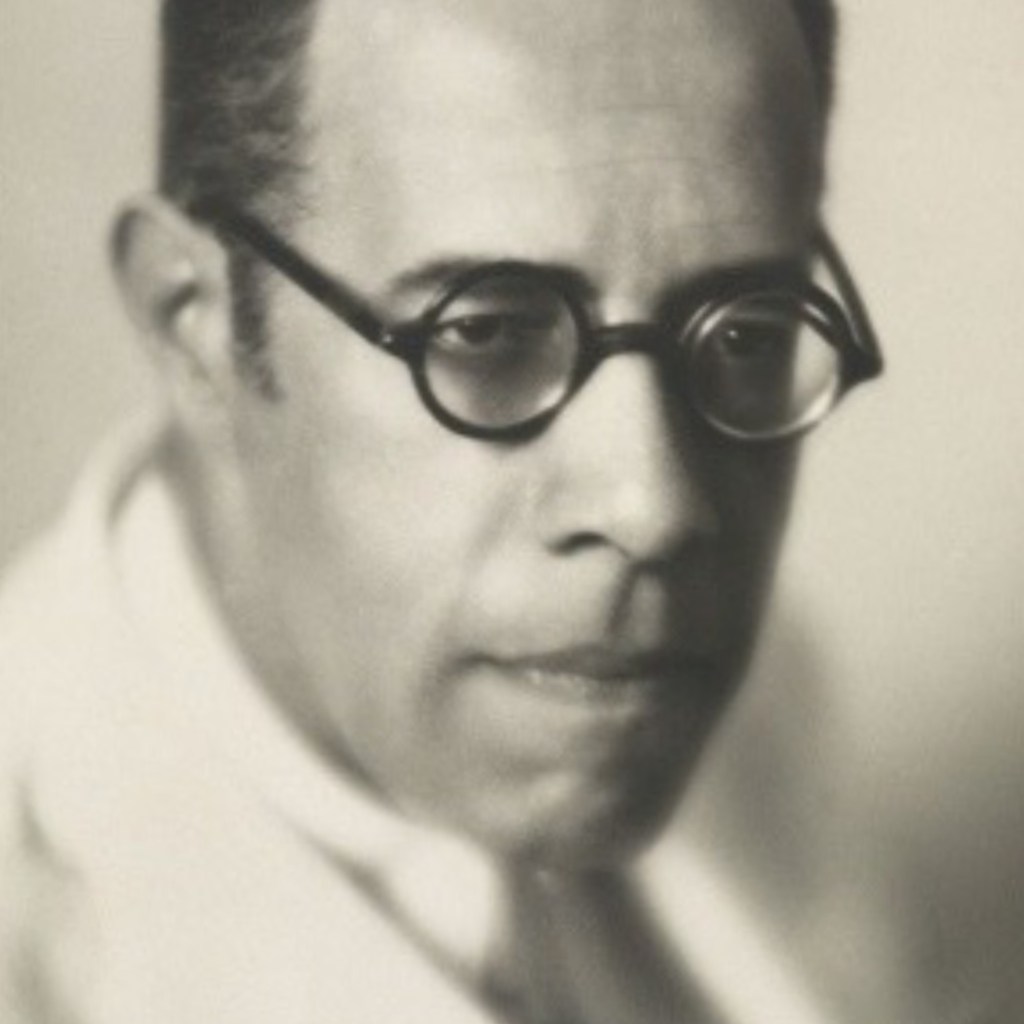
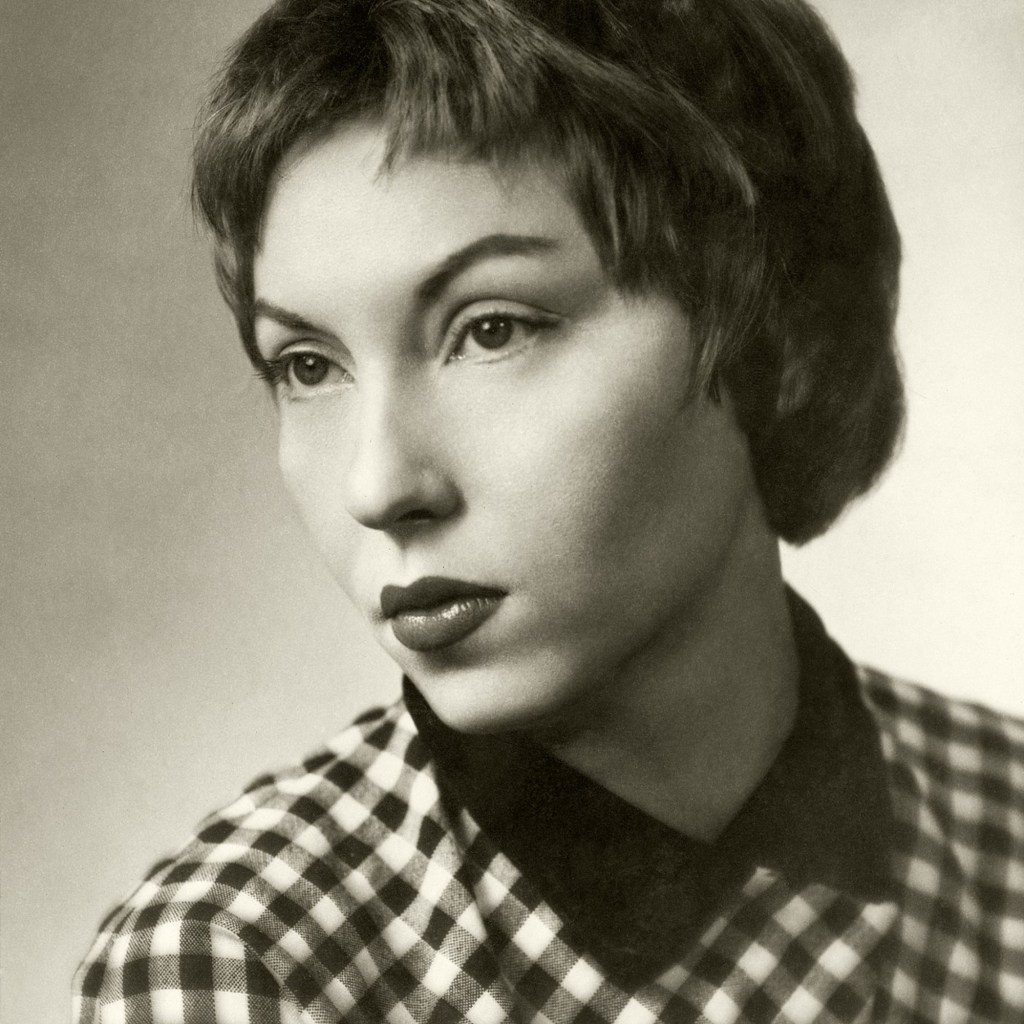
Mário de Andrade (left), Clarice Lispector (right)
So growing up that way, you learn not to take for granted that there’s not only one language to say something in. You’re always thinking outside of the mainstream culture, outside of the dominant language.
AJ: That’s really interesting, I never thought about it that way.
KD: Yeah, I think people that don’t have that “in-betweenness”, in whatever form that is, are more used to a sense of stability—in terms of belonging to a culture. They don’t have the experience of being off-balance until they go to a foreign country or to a place that’s very different from where they grew up.
But I think when that’s part of your identity from the start, with people always asking or challenging you to explain what you are, that in-betweenness is just embedded in your experience from an early age.
It can be the source of a lot of anguish and a lot of vulnerability. But ultimately , it’s the source of strength and a lot of empathy. You take less things for granted. You have to work harder to try to understand your place in the world. And you don’t just assume that certain definitions are fixed.
It gives you a broader perspective, and even makes you more self conscious about being in the world.
Introduction from http://www.katrinakdodson.com/
 THE ORCHID